Elastic Coupon & Promo Codes

Top Elastic Coupon Codes for October 2026

FREE

Get a free gift of a 14-day free trial when you sign up at Elastic; the code is in the link provided.

Get Code
Did it work?
FREE

Unlock a 14 Day Free Trial with a free gift when you sign up for services at Elastic today.

Get Code
Did it work?

Get Elastic coupons in your inbox

We'll notify you when new verified codes are added.

FREE

Sign up today and receive a free gift of a 14-day free trial at Elastic; use the code in the link.

Get Code
Did it work?

About Elastic & Latest Deals

Service Highlights

Best For
General Use
Support
Web-Based Support
Guarantee
Free Trial
Feature
Vector Search

Coupon Insights

Best Discount
See Offers
Avg. Savings
N/A
Active Offers
3
Verified
0

Search, observability and security software with hosted, serverless and self-managed deployment options.

Savings opportunities available through Elastic coupon codes

Elastic provides search, observability and security software, with cloud services billed around the resources you use. A 14-day free trial gives you a way to evaluate Elastic Cloud before subscribing. Annual subscriptions provide a discount, and multiyear subscriptions can deliver further savings. Prepaid commitments are another route to discuss with the sales team when choosing your deployment. Resource sizing also affects what you pay: reducing deployment capacity means configuring fewer resources. The direct trial includes one Hosted deployment and three Serverless projects, so you can evaluate both cloud deployment models before selecting your paid configuration.

Eligible products and services

Service categories frequently on promotion

Elastic Cloud Hosted has Standard, Gold, Platinum and Enterprise subscription levels. Monthly customers can choose their level when adding billing details, while prepaid consumption supports Gold, Platinum and Enterprise. Hosted pricing depends on the deployment configuration, including the provider, region, hardware profile and resources assigned to the stack. Serverless projects use their own billing dimensions. A direct purchase uses an Order Form that specifies the subscription level, subscription term and applicable pricing. For prepaid purchases, the credit quantity and discount determine the purchase amount, while actual consumption determines how quickly the balance is used.

Services usually excluded from promo codes

Elastic Cloud Hosted bills several items separately, so deployment capacity is only part of the total. Data leaving the deployment, traffic between nodes and backup snapshot storage have their own billing dimensions. Snapshot storage also involves metered storage API requests. Synthetics, inference, workflow executions and Elastic Agent Builder executions are additional billing dimensions. CPU and the disk allowance are included with the node's RAM-based capacity charge. Prepaid on-demand invoices also include tax. These separate charges matter when assessing the offers on this page against a complete deployment budget.

Factors influencing the final discount value

Impact of billing cycle on promotional price

Elastic's direct monthly billing charges the previous month's usage in arrears at the start of the next billing cycle. Annual customers use prepaid consumption, purchasing credits that are drawn down as resources are consumed. Credits can cover a single or multiyear contract, with consumption deducted from the balance monthly. The contract's expiration matters because unused credits are forfeited when it ends. If a prepaid contract expires without renewal, the account moves to monthly invoicing at list prices. Keeping a discounted commitment therefore depends on the next contract, rather than merely continuing to run the same deployment.

Promo codes vs. automatically applied offers

Elastic's discounts include prepaid commitments and volume discounts. The negotiated credit purchase establishes the discount, and resource consumption is then covered through the prepaid balance. The Billing overview separates the list unit price, discount rate and paid amount for purchased credits. Each credit line has its own start and expiration, with its status identifying whether it is active, expired or available in the future. The remaining balance subtracts consumption from purchased credits. Marketplace subscriptions provide a different billing benefit: eligible usage counts toward the cloud provider's committed spend. Each organization connects to a single billing source, either a marketplace subscription or direct card billing.

Accessing active codes for Elastic

Start with the offers on this page, then choose Elastic's trial or contact the sales team about a prepaid commitment. The Hosted calculator first asks for the cloud provider, region and hardware profile, then deployment sizing, before displaying a quote and summary. Its Contact Sales button leads to a discussion of the configuration and purchasing options. For an agreed prepaid purchase, Billing overview contains Available credits, including the discount rate and paid amount. This section is visible to an Organization owner or Billing admin. The calculator provides an estimate; the invoice records the amount owed. Scroll up for the current Elastic offers.

How to use Elastic Discount Codes?

  1. 1
    Choose a couponGrab the Elastic offer that works best for you. It's listed above.
  2. 2
    Reveal the codeHit "Get Code" or "Get Deal" depending on the offer type. Popup opens. Click the copy icon inside—code goes to your clipboard.
  3. 3
    Apply at checkoutNow head over to Elastic's site. Pick your Elasticsearch plan. Checkout page has a "Promo Code" field. Paste what you copied there.
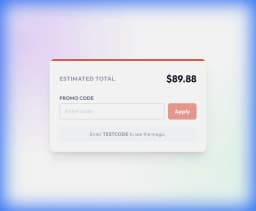
Simulator showing where to paste the promo code at checkout

Customer Reviews

5.0
Based on 0 verified ratings

Login to Rate & Review

Join our community to verify coupons, earn coins, and help others save.

Sign In / Register


Elastic Discount FAQs

Start the Elastic Cloud free trial through the sign-up page, without supplying a credit card. You can register using an email address and password, and the first sign-up creates an organization with a trial license. The direct trial lasts 14 days and includes access to Hosted deployments and Serverless projects within the trial's resource limits. To begin a Hosted evaluation, choose your cloud provider, name the deployment and launch it. You can then ingest your own data or use sample data before subscribing. A paid subscription starts when you add billing details, so adding a card near the end preserves more of the free evaluation period.
Yes, adding a credit card converts your Elastic Cloud trial into a paid subscription immediately. The conversion starts billing for your deployment from the point the card is added, rather than waiting for the original free period to finish. The billing workflow is Billing, then Overview, then Add billing information, with bank authentication completed if prompted. Subscribing also allows more deployment capacity and additional deployments or projects beyond trial limits. If you let an unpaid trial expire, its resources are suspended until you subscribe. Waiting until the end of the evaluation before supplying payment details keeps the trial available for its intended free period.
Yes, Elastic provides discounts on annual subscriptions, with further savings available through a multiyear subscription. Annual purchases use prepaid consumption, so you purchase credits and subsequent usage reduces the balance. The Hosted calculator offers Contact Sales to discuss discounting for prepaid commitments and additional purchasing options. Its estimate depends on the provider, region, hardware profile and deployment size you select. A direct Order Form then records the agreed subscription level, term and applicable pricing. The calculator also separates capacity from data transfer and snapshot storage fees, making the full configuration relevant to the commitment you discuss with the sales team.
Elastic prepaid consumption supports Gold, Platinum and Enterprise; Standard is unavailable with that billing model. When becoming a paying customer, you choose the subscription level that determines the features or support available to your account. In the Cloud Console, Billing opens the Overview page, where Update subscription lets you choose a different level and save it. Subscription levels affect available features or support, depending on whether your resources are Hosted deployments or Serverless projects. A move to a lower level can require changes to features that belong to a higher tier. Removing those higher-tier features enables the subscription change rather than leaving the deployment dependent on them.
Yes, credits bought as an add-on during the contract can carry the same discount as the original purchase. Those additional credits share the original purchase's expiration, so the add-on increases the available balance without extending its validity. Purchased credits are recorded as order lines with a quantity, remaining balance, start, expiration and discount rate. The Available credits section in Billing overview exposes these details to an Organization owner or Billing admin. Credit consumption is measured in Elastic Consumption Units across the resources used. A credit line becomes usable from its start and expires at its stated endpoint, which determines how long that added discounted balance can cover consumption.
An unrenewed Elastic prepaid contract becomes a monthly account billed at list prices, ending the contract discount. Existing deployments continue to incur charges, and the resulting monthly account uses purchase-order invoicing. Unused credits are forfeited after their expiration rather than remaining available against future consumption. The Billing overview shows the expiration and remaining balance of each purchased credit line to authorized billing users. Automatic credit-consumption emails also flag when the active balance reaches the preset remaining-credit thresholds. Renewal determines the next commitment, while those balance details and alerts help identify whether discounted credits are approaching exhaustion before the current contract ends.
The Elastic Usage breakdown is an estimate that excludes discounts, prepaid credits and free allowances. Billing > Usage shows the consumption breakdown by product or resource for the time range selected. Organization owners and Billing admins can see the whole organization's usage, while resource access roles show the deployments or projects available to that user. The current-month view also identifies credits to be applied in the billing cycle for authorized billing users. The amount actually owed is recorded in invoices, accessible through Billing > History. Selecting an invoice number opens its detailed PDF, giving an authorized buyer the billed amount after the estimate's omitted adjustments are accounted for.
Elastic Cloud charges are non-refundable, with special refund considerations handled through a billing support case. In the Cloud Console Support form, select Billing issue and explain the reasons for the request and the relevant billing circumstances. Billing history provides the invoice details needed to identify the charge, and authorized billing users can open a detailed invoice PDF. Stopping future resource charges requires deleting the relevant deployment or project, which also removes its data. Usage incurred before deletion still appears on the next bill. Billing history requires an Organization owner or Billing admin role. The detailed invoice identifies the charge associated with the billing support request.
Elastic permits bank transfer for annual subscriptions, while direct month-to-month payments require a credit card. The subscription term therefore affects the payment route when arranging a discounted commitment. The Cloud Console sends your card details securely to its billing provider, which stores the payment information. Monthly card billing is set up from Billing > Overview using Add billing information, and your bank may require authentication. Charges for direct monthly usage are aggregated and collected in arrears through the card used for the subscription. Marketplace purchasing instead joins Elastic charges to the provider's bill, and the organization links to that billing source rather than direct card billing.
No, upgrading an existing Elastic trial to a marketplace subscription starts billing immediately without another trial period. The upgrade preserves existing deployments, projects and data, provided the organization is eligible and remains within the data retention window. You must own the trial organization, and it must not already have billing details or another marketplace subscription attached. Its resources must also use the same cloud provider as the selected marketplace. During the subscription flow, existing credentials link the marketplace account to the organization you choose. The upgrade page identifies the provider account being linked, so selecting the intended eligible organization preserves the corresponding trial resources under marketplace billing.