Redis Coupon & Promo Codes

Top Redis Coupon Codes for October 2026

30%
OFF

Get 30% off select items at redis.io with this exclusive offer, applied at checkout.

Get Code
Did it work?

Get Redis coupons in your inbox

We'll notify you when new verified codes are added.

About Redis & Latest Deals

Service Highlights

Best For
General Use
Support
Support Portal
Guarantee
Free Plan Available
Feature
Redis Flex

Coupon Insights

Best Discount
UP TO 30%
Avg. Savings
30%
Active Offers
1
Verified
0

Managed Redis databases with free, Essentials, and Pro cloud plans.

Savings opportunities available through Redis coupon codes

Redis offers a free starting point, account coupon credits, and annual Pro savings for its managed cloud databases. Free provides 30 MB at $0, while Essentials starts at $5 a month. A free database supports learning and application prototypes before a paid upgrade. Annual Pro plans reduce spending through a commitment and include Premium support. Redis Flex offers another way to lower infrastructure costs by using flash alongside RAM. These routes address different needs: initial development, promotional credit, committed workloads, and the storage configuration behind the bill.

Eligible products and services

Service categories frequently on promotion

Redis Cloud purchases start with the database configuration. Essentials pricing scales with memory size, and its paid plans start at 250 MB. Pro uses database size and throughput to determine its billing units; cloud provider and region also affect prices. Its minimum subscription charge is $200 a month. The Review & Create step supplies a cost estimate before Confirm & Pay. Essentials also asks you to select replication and persistence settings. A promotional credit is applied to the account, while the selected deployment determines the underlying subscription charges.

Services usually excluded from promo codes

Redis subscription fees and taxes are separate parts of the purchase. Fees exclude taxes, and applicable sales, usage, excise, and value-added taxes remain payable. Pro data transfer is usage based, so network usage is another billing component beside database capacity. The cost report separates the subscription's network charges from its database usage. Pro subscriptions below their minimum charge also show a separate difference from that minimum. These distinct billing components matter when assessing the amount payable alongside an account credit; the subscription estimate covers the database configuration selected for purchase.

Factors influencing the final discount value

Impact of billing cycle on promotional price

Redis Cloud Pro supports pay-as-you-go and annual plans, with annual commitments offering savings and Premium support. The annual commitment covers workloads across multiple providers and regions. Direct purchases and marketplace purchases can have different scopes for pooling usage across clouds. For an annual private offer purchased through the marketplace, switching to Pay as You Go preserves annual billing until the offer expires. Existing and future resources then move to the Pay as You Go offer. The recurring monthly charge authorized for an applicable transaction follows Redis's current online price list.

Promo codes vs. automatically applied offers

Redis coupon credits require redemption, while the Free plan is selected during database creation. The free option provides 30 MB for learning and prototypes, with a paid Essentials upgrade available when the application needs more capacity. Annual Pro savings come through the annual plan and its commitment. A private annual marketplace offer is accepted using the seller's link and connected to the Redis account for billing. Those purchase routes have different steps: selecting a free database, accepting a contracted annual offer, or submitting a coupon for account credit.

Accessing active codes for Redis

Redis places coupon redemption in the cloud console under Billing & Payments, then Credits. The coupon field is labeled Enter coupon code; Apply submits it, and acceptance adds its value to the account. Coupon Amount identifies the credited sum; Current Balance tracks the remainder, and Expiration Date identifies its expiry. Database purchase starts separately with New database, the plan selection, cloud vendor, region, and configuration, followed by payment details and Confirm & pay. Support handles help with redemption. The Credits view records the credited amount and remaining balance after a coupon has been accepted. Scroll up for the current Redis offers.

How to use Redis Discount Codes?

  1. 1
    Choose a couponGrab the Redis offer that works best for you. It's listed above.
  2. 2
    Reveal the codeHit "Get Code" or "Get Deal" depending on the offer type. Popup opens. Click the copy icon inside—code goes to your clipboard.
  3. 3
    Apply at checkoutNow head over to Redis's site. Pick your Redis Cloud plan. Checkout page has a "Promo Code" field. Paste what you copied there.
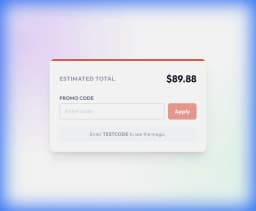
Simulator showing where to paste the promo code at checkout

Customer Reviews

5.0
Based on 0 verified ratings

Login to Rate & Review

Join our community to verify coupons, earn coins, and help others save.

Sign In / Register


Redis Discount FAQs

Enter your Redis coupon in Billing & Payments, under Credits, and select Apply to add its value to your account. For a paid Essentials purchase, the database workflow begins with New database and the Essentials selection. The cloud vendor, region, and desired plan are chosen before payment details and Confirm & pay. Plan selection sets the database size and other limits, while replication and persistence are separate configuration choices in that workflow. Accepted coupons contribute account credit, with the credited sum and remaining balance available under Credits. Choosing the intended Essentials configuration before payment keeps the purchase tied to the capacity your application needs.
Contact Redis Support if your coupon is not accepted; redemption help is available through the customer support portal. The coupon workflow adds value to the account upon acceptance, and the Credits tab records applied credits. A missing discount in a cost report has a different explanation: that report uses list prices and leaves out account-specific discounts. It breaks down subscription usage and charges across Essentials and Pro, with database configuration changes creating additional usage rows for Pro. Pro also has a separate minimum-charge difference when applicable. Checking the account's credit record distinguishes successful redemption from a report that deliberately excludes personalized discounts.
You can select the Redis Free plan directly when creating a database, without entering a promotional code in that workflow. The account can hold one free database, with 30 MB for learning Redis concepts and building application prototypes. In the cloud console, New database opens Create database, where Try 30 MB for free selects the free subscription. Database name and version remain selectable, followed by the cloud vendor and region. Create database starts provisioning, and the Database details page appears once the request is processed. A paid Essentials upgrade is available when the application needs to scale beyond the free database's capacity.
Choose a Redis Cloud Pro annual plan to obtain its commitment savings and included Premium support. Annual plans retain the Pro feature set, and the underlying commitment applies across workloads in multiple providers and regions. The discount takes the form of credits for Redis workloads, with flexibility across configurations and deployment regions. The scope across cloud providers depends on the purchase route and the account or contract structure. For a marketplace annual purchase, the Redis seller supplies a private-offer link for acceptance before account mapping. Confirming the scope of that annual commitment with the Redis account team establishes which workloads can use its discounted credits.
An annual Redis marketplace offer switches to Pay as You Go after expiration if you have subscribed to that replacement offer. Both existing and future resources remain billed under the annual offer until its term ends. The annual-to-pay-as-you-go transition is initiated by subscribing to the Redis Cloud marketplace listing for that billing model. Account setup maps the Redis account to marketplace billing through Set Up Your Account and Connect account, with the Account Owner role required. After mapping, the marketplace pays for the account's Redis resources. Reviewing the subscription's assigned payment method confirms that the intended marketplace account handles the continuing charges.
Redis lets you upgrade a free Essentials database to a paid Essentials plan, with a payment method required for the change. The subscription's Plan upgrade button opens the controls for the plan, availability settings, and payment method. Selecting the desired subscription plan and Upgrade plan changes the capacity without disrupting existing data or endpoints. The Overview tab identifies the plan's maximum database size and shows the cost for paid plans. A move to a lower plan fails if the stored data exceeds that plan's limits. Keeping the database within the selected plan's capacity allows the subscription change to complete while preserving its data.
Redis payments are non-refundable except for the exceptions established in the Cloud Agreement. Payment obligations also remain non-cancelable under that agreement, so a discounted purchase follows the contractual payment rules. For special circumstances that may warrant a refund, Support accepts a request with details explaining the reasons. The customer support portal provides the route to that assistance. The agreement separately makes applicable taxes payable in addition to subscription fees. Subscription charges depend on the transaction's commitment and actual usage, with the committed amount payable regardless of use. Providing the specific reasons for the request lets Support assess whether the circumstances warrant an exception.
Redis Flex lowers infrastructure spending by combining RAM with flash storage, and a lower RAM share can reduce Pro database charges. Flex is available on both Essentials and Pro, with different controls for the memory ratio. Essentials fixes the RAM percentage at 10%, while Pro lets you choose between 10% and 50% during database creation. Pro defaults to 20% when configuring a Flex database. In the custom workflow, Redis Flex is selected under Advanced options, followed by the RAM percentage during Sizing. Lower percentages can increase latency, while higher percentages improve throughput and latency at greater expense. The selected ratio determines that performance and spending tradeoff.
Redis account-specific discounts do not appear in the Cost report, which uses list prices for its calculations. The downloadable report details usage and associated charges across Essentials and Pro subscriptions. Cost report produces a CSV breakdown by subscription, database, and month. Essentials rows represent monthly subscription usage, with plan size and plan cost identified separately. Pro rows distinguish database usage, configuration changes during the period, and the subscription's network charges. A separate row represents the difference from the minimum subscription charge when that minimum is not met. Reading those rows as list-price usage avoids treating the report total as a personalized discounted bill.
A paid Redis Essentials purchase requires payment details, and Add Credit Card adds a card during database creation. A business address is also required if the account does not already have one, because Redis uses it for invoicing and tax purposes. Same as business address fills the billing address when those addresses match. Confirm & pay completes the configured database purchase after these details are supplied. Subscription payment settings can later select a known method or add another, with changes restricted to the Owner or Billing Admin roles. Applicable taxes remain payable alongside the subscription fees. Matching the billing address to the business address avoids re-entering identical details during payment setup.