5%OFF
TrustHosting Coupon & Promo Codes
Top TrustHosting Coupon Codes for October 2026
About TrustHosting & Latest Deals
Service Highlights
- Best For
- Developers
- Support
- Standard
- Guarantee
- Money Back
- Feature
- Zero-KYC
Coupon Insights
- Best Discount
- UP TO 5%
- Avg. Savings
- 5%
- Active Offers
- 1
- Verified
- 0
Anonymous VPS and dedicated infrastructure with prepaid cryptocurrency billing.
Savings opportunities available through TrustHosting coupon codes
TrustHosting sells anonymous virtual servers and bare metal infrastructure funded through a prepaid Cloud Wallet. Paying for the infrastructure you intend to use protects your budget because cryptocurrency deposits are normally non-refundable. Each server deployment purchases 30 days upfront, so funding is tied to a defined service period. A failed deployment caused by a datacenter outage or provisioning bug earns an automatic full wallet credit. That credit returns the service payment to the balance used for infrastructure. The offers on this page sit alongside these wallet rules; a service credit and a cryptocurrency refund have different outcomes.
Eligible products and services
Service categories frequently on promotion
TrustHosting's server catalog covers VPS instances, high-frequency compute and bare metal hardware. KVM virtualization isolates the resources assigned to a virtual server, including CPU cores, RAM and NVMe disk space. Windows RDP hosting provides full Administrator access and pre-activated operating system builds. Linux servers support distributions including Ubuntu and Debian. Server deployments use the Cloud Wallet and are paid upfront for 30 days. An offer therefore needs to be considered with the selected infrastructure and its prepaid service period. Funding an account supplies the balance from which the server payment is taken.
Services usually excluded from promo codes
TrustHosting wallet deposits and server payments have different refund treatment. Unused cryptocurrency deposits are normally non-refundable, while a deployment failure caused by TrustHosting receives a full wallet credit. A refund sent to an original cryptocurrency wallet is considered only for prolonged service unavailability exceeding 24 hours, with network transaction fees deducted. Accounts terminated for prohibited activity lose eligibility for a refund of their remaining wallet balance. Disrupting host nodes or circumventing virtualization limits also results in termination without refund. These conditions govern recovery of funds used for infrastructure, including purchases made through the offers on this page.
Factors influencing the final discount value
Impact of billing cycle on promotional price
TrustHosting server deployments are prepaid for exactly 30 days from the Cloud Wallet balance. Continued service requires a manual renewal, using the dashboard button labelled "Renew Service (+30 Days)" before the existing timer expires. The wallet must contain enough funds for that renewal. At 0 Days Left, the server loses power and becomes STOPPED, although its data initially remains intact. An unpaid suspension can progress to permanent disk wiping and IP address recycling after an extended grace period. Renewing the service supplies another 30 days rather than relying on an automatic balance charge.
Promo codes vs. automatically applied offers
TrustHosting uses automatic wallet credits for deployment failures caused by its own technical problems. A datacenter outage or provisioning bug returns the full deployment payment to the Cloud Wallet automatically. That balance adjustment is a service credit, rather than a refund to the cryptocurrency wallet used to deposit funds. Renewing an active server is a separate manual action through "Renew Service (+30 Days)" on the dashboard. Deposits provide prepaid funds for infrastructure, while original-wallet refunds have an exceptional downtime condition and a deduction for mining fees. The offers on this page should be considered alongside these distinct payment operations.
Accessing active codes for TrustHosting
TrustHosting account access uses the login form before continuing with server ordering. The form requests "Email Address" and "Password", followed by the "Login" button. Two-factor authentication requires the authenticator app when that additional step is enabled. Deploying infrastructure depends on having sufficient funds in the Cloud Wallet, and a server payment covers 30 days upfront. Account security also matters when considering the offers on this page: customers are responsible for their private access keys, and a lost account cannot be recovered without access to the registered email address. Scroll up for the current TrustHosting offers.
How to use TrustHosting Discount Codes?
- 1Choose a couponGrab the TrustHosting offer that works best for you. It's listed above.
- 2Reveal the codeHit "Get Code" or "Get Deal" depending on the offer type. Popup opens. Click the copy icon inside—code goes to your clipboard.
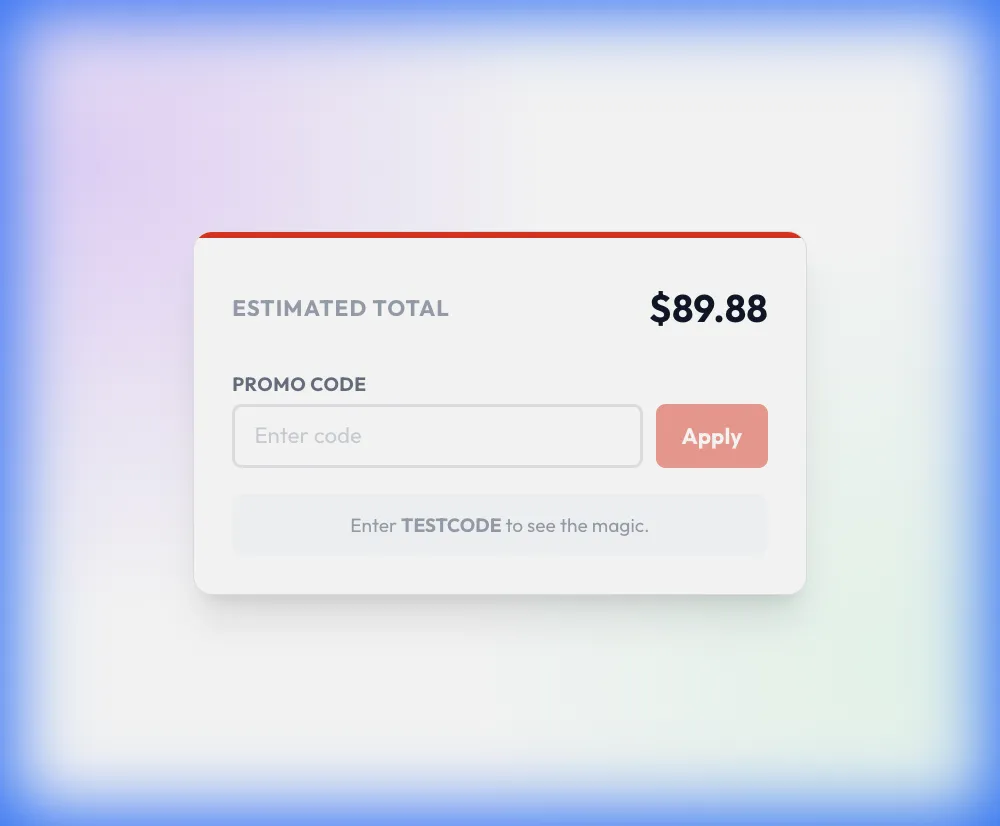
- 3Apply at checkoutNow head over to TrustHosting's site. Pick your VPS plan. Checkout page has a "Promo Code" field. Paste what you copied there.

Customer Reviews
No ratings yet
Be the first to rate this store
Login to Rate & Review
Join our community to verify coupons, earn coins, and help others save.
Sign In / RegisterTrustHosting Discount FAQs
Enter your email address and password in the TrustHosting login form, then select "Login" to access your account. The fields are labelled "Email Address" and "Password". An enabled two-factor authentication step requires the code from your authenticator app. Customers are responsible for safeguarding their account and private access keys, and recovery of a lost account requires access to the registered email. Server deployment also needs enough prepaid Cloud Wallet funds for the selected infrastructure. Its upfront payment covers 30 days of service. Cryptocurrency deposits are normally non-refundable. Keeping access to the registered email preserves the recovery route needed if an account used to purchase infrastructure becomes inaccessible.
TrustHosting accepts Bitcoin, Ethereum, Litecoin, Monero and the USDT and USDC stablecoins for Cloud Wallet funding. Cryptocurrency deposits supply a prepaid account balance used for infrastructure services. The server purchase draws its upfront payment from that wallet rather than making the deposit itself a server order. Deployments are paid for a 30-day period, and keeping an instance online requires sufficient wallet funds for a manual renewal. Funds added to the wallet are normally non-refundable because of the nature of cryptocurrency transactions. A deployment error attributable to TrustHosting instead returns the full service payment as account credit. Limiting the deposit to infrastructure you intend to use follows the wallet funding rule and protects the unused balance.
A TrustHosting server deployment purchases exactly 30 days upfront using your Cloud Wallet balance. That payment starts the prepaid service period rather than establishing automatic renewal from the balance. To continue running the instance, the dashboard provides "Renew Service (+30 Days)" for a separate manual renewal before the timer expires. Sufficient funds must remain available when that action is taken. Reaching 0 Days Left triggers an immediate power cut and the STOPPED status. The server's data initially survives suspension, but an extended unpaid grace period ends with the drive being wiped and the IP recycled. The existing timer therefore determines when another funded renewal is needed to retain the running service.
Renew your TrustHosting server manually with "Renew Service (+30 Days)" on the dashboard before its timer runs out. The renewal action requires a Cloud Wallet balance sufficient to pay for continued service. An initial deployment is funded upfront for 30 days, and the renewal button adds another 30-day period. TrustHosting's detailed billing lifecycle does not automatically charge the balance for renewal. Once the service reaches 0 Days Left, the system switches off the instance and labels it STOPPED. Paying for a renewal is required before a suspended server can be powered on again. Acting while the remaining service time is positive avoids the automatic suspension that starts when the timer reaches zero.
No, TrustHosting powers off a server immediately when its remaining service time reaches 0 Days Left. The instance is then marked STOPPED, and turning it back on requires payment for a renewal. Suspension initially preserves the server's data even though the machine cannot run. If payment remains outstanding beyond an extended grace period, the datacenter permanently wipes the hard drive and recycles the IP address. That erased data cannot be recovered. The dashboard's "Renew Service (+30 Days)" action requires sufficient Cloud Wallet funds and is meant to be used before the timer runs out. Maintaining a paid service period keeps the server operating while any future offer is considered separately.
Unused TrustHosting Cloud Wallet deposits are normally non-refundable because they are cryptocurrency transactions. Adding funds creates a prepaid infrastructure balance, from which a deployment purchases 30 days of server use. A failed deployment attributable to TrustHosting is handled differently: the full service payment returns automatically to the account as credit. Returning money to the original cryptocurrency wallet is considered only in extreme cases of prolonged service unavailability exceeding 24 hours. Such a return also deducts the network transaction fees. Termination for violating the service terms removes eligibility for repayment of the remaining balance. Depositing only the funds intended for infrastructure keeps the amount exposed to the wallet's refund conditions aligned with the planned purchase.
TrustHosting automatically credits the full payment back to your Cloud Wallet when deployment fails because of its own technical error. Qualifying examples include a datacenter outage and a provisioning bug. The recovery is an account credit, so the amount returns to the prepaid balance used to purchase infrastructure. It is distinct from sending cryptocurrency back to the wallet that originally funded the account. Deposits have a normally non-refundable status, while original-wallet refunds are considered for extreme prolonged service unavailability over 24 hours and deduct mining fees. Successful deployments buy 30 days upfront from the same account balance. Recognizing the returned payment as infrastructure credit identifies where the funds remain available after a qualifying failed deployment.
TrustHosting considers original-wallet refunds only in extreme cases of prolonged service unavailability involving more than 24 hours of total downtime. The threshold makes this an exceptional refund consideration, rather than an automatic payment return. Any refund issued under that exception deducts the network transaction, or mining, fees. A deployment failure caused by an internal technical problem follows another route: the entire payment is credited automatically to the Cloud Wallet. Standard cryptocurrency deposits are normally non-refundable, and accounts terminated for service-term violations cannot recover their remaining wallet balance. The nature of the failure therefore determines whether recovery means account credit or a considered crypto refund. Downtime exceeding the stated threshold is the condition relevant to the original-wallet exception.
TrustHosting deducts network transaction fees, also described as mining fees, from a refund issued to the original cryptocurrency wallet. Such refunds are considered only for extreme prolonged service unavailability exceeding 24 hours of total downtime. This deduction belongs to that exceptional crypto refund route. A deployment that fails because of TrustHosting's datacenter outage or provisioning bug instead receives a full credit to the Cloud Wallet automatically. The credit restores the deployment payment to the prepaid infrastructure balance. Cryptocurrency deposits themselves are normally non-refundable, and remaining balances are ineligible for repayment following account termination for prohibited activity. Distinguishing full account credit from a crypto transfer explains why the refund destination changes the treatment of network fees.
TrustHosting does not refund remaining Cloud Wallet balances when an account is terminated for violating its Terms of Service. Illegal activity and network attacks are specified grounds for this refund restriction. Attempts to disrupt host nodes or bypass virtualization limits also lead to immediate termination without refund. Outgoing DDoS attacks, IP spoofing and malware command-and-control hosting are prohibited network uses that can trigger suspension. These conduct conditions apply to infrastructure funded through the wallet, which also has a normally non-refundable deposit rule. A provider-side deployment error has separate treatment through automatic full account credit. Using only the resources allocated to the selected plan avoids the resource-limit violations specifically associated with termination and loss of refund eligibility.


