/DeployNode

DeployNode Coupon & Promo Codes

Top DeployNode Coupon Codes for October 2026

$5

Get a $5 recurring discount per month on your 8GB Ram KVM Root Server with this exclusive DeployNode offer.

Get Code
Did it work?
$10

Enjoy a $10 recurring discount per month on your 16GB Ram KVM Root Server when you use this DeployNode coupon.

Get Code
Did it work?

Get DeployNode coupons in your inbox

We'll notify you when new verified codes are added.

About DeployNode & Latest Deals

Service Highlights

Best For
General Use
Support
Ticket
Guarantee
Monthly Cap
Feature
Full Root

Coupon Insights

Best Discount
See Offers
Avg. Savings
N/A
Active Offers
2
Verified
0

Crypto-funded server hosting with hourly billing and a monthly cap.

Savings opportunities available through DeployNode coupon codes

DeployNode makes short server jobs economical through hourly billing and a monthly cap. It sells crypto-funded VPS hosting, GPU servers and bare metal. The entry plan starts at $11.00 a month with 1 vCPU, 1 GB RAM and 25 GB NVMe. A shorter server lifetime lowers usage charges, while destroying a finished server ends its meter immediately. Choosing an unlicensed image avoids the additional monthly licence fee. Funding starts at $20, and unused funds stay in the account for future servers. These savings come from configuration and usage rather than a typed promo code.

Eligible products and services

Service categories frequently on promotion

DeployNode offers fit prepaid server hosting, including virtual instances, GPU workloads and bare metal. The entry configuration includes CPU, memory and NVMe storage together; storage is attached to the chosen plan rather than scaled independently. Billing uses the selected server's hourly rate and monthly ceiling. A temporary deployment therefore consumes balance for its lifetime, while continuous use reaches the published cap. The deployment screen displays the exact price before confirmation. Licensed images add their own monthly fee, and outbound traffic beyond the included allowance adds a separate usage charge to the same prepaid balance.

Services usually excluded from promo codes

DeployNode's server price has separately billed extras that affect the total cost of an offer. Outbound transfer above a plan's included allowance costs $0.02 per GB from the account balance. Licensed operating systems and control panels carry an additional monthly licence fee, displayed when deploying. Snapshot storage is also charged separately by the underlying provider. The monthly server cap covers the server's metered charge; these additional costs belong alongside that figure when budgeting. A powered-off or suspended server still reserves resources and continues billing, so switching it off does not deliver the savings of destroying it.

Factors influencing the final discount value

Impact of billing cycle on promotional price

DeployNode bills prepaid usage by the hour rather than requiring an annual commitment. A server has a one-hour minimum charge, subject to a minimum of $0.02 per server, and ongoing usage is capped at its monthly price. Short jobs consume only their billed hours; continuous deployments reach the monthly ceiling. Funding happens through account top-ups without a subscription or a stored card. Destroying an instance stops further server charges immediately. Powering it off or allowing it to suspend keeps resources reserved and billing active. Unused balance remains available for the next deployment in the account.

Promo codes vs. automatically applied offers

DeployNode's entry offer uses hourly metering without a promo code. The lower spend on a temporary server comes from its shorter lifetime, while the monthly cap protects the server charge during continuous use. These billing rules apply to prepaid usage without entering a discount string. A top-up becomes account balance after the crypto payment confirms, and running servers draw from that balance. The entry offer also has no free tier or trial. Its cost-saving mechanism is paid usage that ends when the server is destroyed, with licences, transfer overages and snapshot storage priced separately.

Accessing active codes for DeployNode

DeployNode's entry offer follows a prepaid deployment flow without a promo code. The public Deploy a server link opens Create your account. Registration uses Email, Password and Confirm password fields followed by the Create account button; existing customers use Log in. Server deployment takes place through the account dashboard, where the plan and region are chosen before confirmation. The deploy screen presents the exact server price and any licensed-image fee before the purchase is confirmed. Crypto funding supplies the balance from which hourly charges are drawn, with unused funds available for later account use. Scroll up for the current DeployNode offers.

How to use DeployNode Discount Codes?

  1. 1
    Choose a couponGrab the DeployNode offer that works best for you. It's listed above.
  2. 2
    Reveal the codeHit "Get Code" or "Get Deal" depending on the offer type. Popup opens. Click the copy icon inside—code goes to your clipboard.
  3. 3
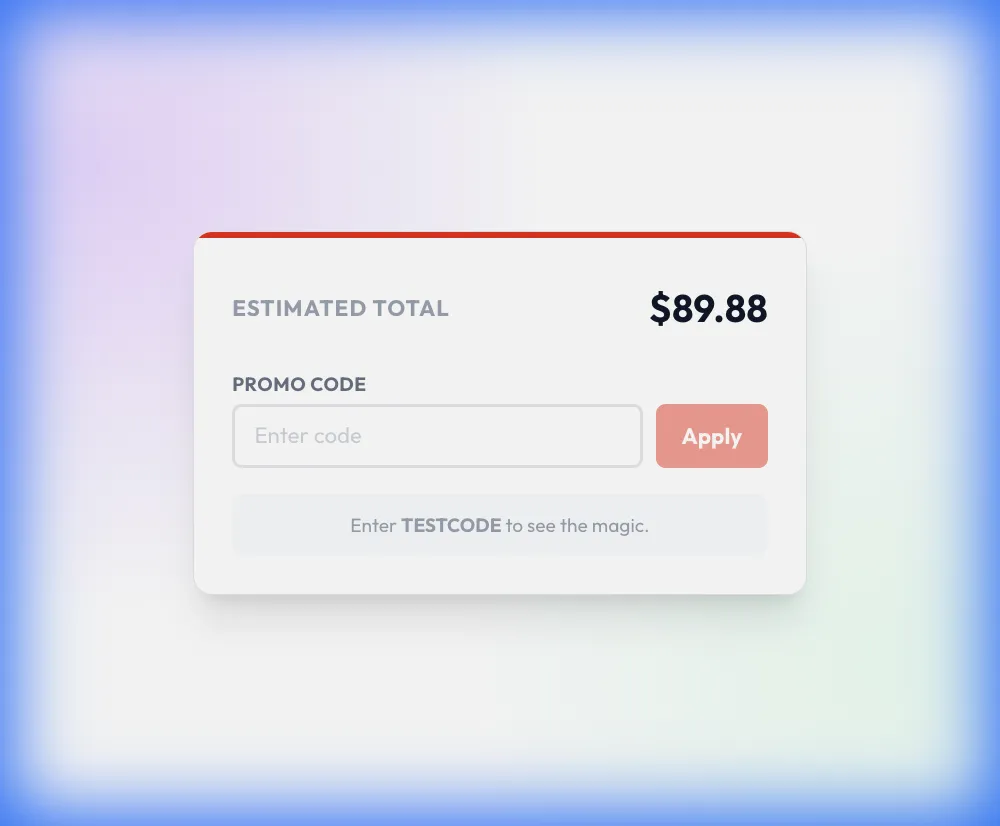
    Apply at checkoutNow head over to DeployNode's site. Pick your Crypto VPS plan. Checkout page has a "Promo Code" field. Paste what you copied there.

Simulator showing where to paste the promo code at checkout

Customer Reviews

5.0
Based on 0 verified ratings

Login to Rate & Review

Join our community to verify coupons, earn coins, and help others save.

Sign In / Register


DeployNode Discount FAQs

DeployNode's entry offer does not use a promo code. The buying flow starts with Deploy a server, which opens Create your account and asks for an email, password and password confirmation. Existing customers access their account through Log in, and deployment is managed from the dashboard. You choose the plan and region before confirming, with the exact server price displayed on the deploy screen. Funding creates a prepaid balance, and server charges draw from it by the hour up to the plan's monthly ceiling. The saving on a short deployment comes from its billed lifetime, and destroying the finished server stops further server usage charges.
DeployNode's entry offer has no promo code to stack with hourly billing. Hourly savings come from running a server for a shorter period, and the monthly cap limits its server charge when it stays deployed. The flexibility itself is not a separate discount on the published price. Crypto deposits fund one account balance, from which server usage is metered; additional licensed-image fees and outbound-transfer overages are separate costs. The entry offer also has no free tier or trial to combine with a coupon. A powered-off instance continues to incur charges because it still exists, whereas destroying it ends the server meter immediately.
DeployNode's entry offer has no free trial or free tier. Trying a server uses a crypto-funded prepaid balance, with funding starting at $20 and unused funds remaining available for future account use. Server billing has a one-hour minimum, subject to a minimum charge of $0.02 per server, and total server usage is limited by its monthly cap. You select the plan and region before confirming the price displayed for deployment. A short-lived instance consumes its billed hours instead of requiring a full month of server usage. Destroying that instance stops its charges, while any separately billed snapshot storage remains a distinct cost.
DeployNode's hourly savings do not require an annual commitment. The service uses a prepaid balance and account top-ups without a subscription or a stored card. Each server draws funds by the hour, with a one-hour minimum and a ceiling at the selected plan's monthly price. A server used for a day is charged for that deployment period, while continuous use reaches the monthly cap. The billing benefit therefore comes from the server's lifetime, rather than buying a longer prepaid contract. The dashboard handles deployment and teardown, and destroying an instance ends its charges immediately. Remaining account funds stay available for another server.
The DeployNode entry offer has no promo code, subscription or automatic renewal. Server usage draws from a prepaid balance, and continuous deployment reaches the selected plan's monthly cap. Funding happens through crypto top-ups, with no card stored for subscription billing. You choose the plan and region before confirming, and the deploy screen displays the exact server price. The cap limits the server charge, while licensed images, excess outbound traffic and snapshot storage carry separate costs. A powered-off instance still incurs charges because its resources remain reserved. Destroying a finished server stops further server billing, and unused balance remains available for future deployments.
DeployNode bills transfer overages, licensed images and snapshot storage separately from the base server charge. Each plan includes an outbound-transfer allowance, and traffic above it costs $0.02 per GB against the prepaid balance. Licensed operating systems and control panels add a monthly fee shown at deployment, so image choice affects the amount paid alongside the server rate. Snapshot storage has its own charge from the underlying provider, including when a saved snapshot is used for a later rebuild. The monthly ceiling limits the server's hourly charge rather than these extras. Choosing an unlicensed image removes the additional licence fee from that deployment.
DeployNode crypto deposits are non-refundable by default, with unused funds kept available for future account use. Trying the entry offer uses paid hourly hosting rather than a free trial, and funding starts at $20. The amount consumed depends on the server's billed lifetime, subject to its minimum charge and monthly ceiling. Destroying an instance ends further server billing, but that action leaves remaining funds in the account rather than converting them into a refund. A powered-off or suspended instance continues to reserve resources and incur charges. Unused balance can fund a later deployment, including another temporary server whose charges end when it is destroyed.
DeployNode lets you snapshot a game world and rebuild it after destroying the server to save on hourly usage. A finished session can end with destruction, which stops server billing immediately instead of leaving an instance running between sessions. Powering off the machine still reserves resources and continues charges, so that action has a different billing result. Destroying the server wipes its disk, while a saved snapshot provides a rebuild path for the next session. Snapshot storage is charged separately by the provider, alongside the server's own hourly usage and monthly cap. Taking the snapshot before destruction preserves the world for that later rebuild.
DeployNode offers are funded through a prepaid crypto balance, with top-ups instead of a subscription. Accepted coins include Bitcoin, Monero, Tether, Ethereum, Solana and Litecoin, and funding starts at $20. A confirmed deposit credits a dollar-denominated balance that server usage draws down by the hour, capped at each plan's monthly price. For USDT, the available deposit networks include TRC-20 and ERC-20, and the network selected for the deposit must match the network used to send it. Low funds trigger an email warning; reaching zero suspends running servers with a grace window to top up and resume. Matching the selected USDT network enables the deposit to credit after confirmation.
DeployNode's GPU offer uses hourly metering rather than a discount on the server rate. A short deployment consumes its billed hours instead of a full month of server usage. The server charge has a monthly ceiling, and the deploy screen displays the exact figure before confirmation. You choose a region, plan and image, with licensed images adding a separate fee where selected. Destroying the GPU server ends its meter immediately and wipes its disk, so data needed for another session must be preserved separately. A snapshot allows a later rebuild, while its storage has a separate provider charge. An unlicensed image avoids the additional licence fee when that image suits the workload.