30%OFF
PostOwl Coupon & Promo Codes
About PostOwl & Latest Deals
Service Highlights
- Best For
- Technical Knowledge
- Support
- Standard
- Guarantee
- Free Self Hosting
- Feature
- In-Place Editing
Coupon Insights
- Best Discount
- UP TO 30%
- Avg. Savings
- 30%
- Active Offers
- 1
- Verified
- 0
Open-source software for personal blogging, shared letters, and private journaling.
Savings opportunities available through PostOwl coupon codes
PostOwl offers free self-hosting for a website that combines personal blogging, shared letters and private journaling. Its open-source application uses SvelteKit and SQLite, with editing directly on the site. A second route to lower expenses is scale to zero: the hosting machine shuts down when the site is inactive, saving costs and electricity. The default configuration sets auto_stop_machines to true and closes the database connection before shutdown. Email setup can use dummy SMTP settings when sending notifications is unnecessary. All content, including images, stays in a single database file that can be backed up.
Eligible products and services
Service categories frequently on promotion
PostOwl’s free self-hosting offer covers its open-source writing application. Public blog posts, letters shared privately through secret links, and a personal journal belong to the same website. In-place editing lets the owner update that site directly, while RSS feeds, search and email notifications are additional features. The application uses SvelteKit, and all content, including images, is stored together in a single SQLite database. Access requires a website running the software and technical knowledge to deploy it. The available application is in technical preview. The hosted version is coming soon, with launch news available through the newsletter.
Services usually excluded from promo codes
PostOwl’s free self-hosting offer concerns the software; a custom domain is an existing domain or subdomain you own. Connecting it requires the application’s IPv4 and IPv6 addresses and A and AAAA records at your DNS provider. Custom-domain setup also updates the ORIGIN secret. Email delivery has its own configuration: server, port, username and password settings are entered during deployment. The deployment example sets SMTP port to 465. Dummy SMTP values are suitable when sending email is unnecessary. Letters with email notifications use the email setup. Technical knowledge is required to deploy the website.
Factors influencing the final discount value
Impact of billing cycle on promotional price
PostOwl’s available saving is free self-hosting, with ongoing hosting expenses affected by the deployment configuration. Scale to zero stops the machine when the site becomes inactive, saving costs and electricity for a low-traffic personal website. Automatic stopping is enabled in the default configuration, and the application closes its database connection and server before the machine stops. The software remains an open-source application with content stored in SQLite. Updating involves obtaining a new release and deploying the changes. A database backup is required before an update during the technical preview. Database schema changes use a supplied update script.
Promo codes vs. automatically applied offers
PostOwl’s free self-hosting offer starts with its open-source software and a website running that application. Its automatic saving mechanism is scale to zero, which shuts down the hosting machine during inactivity. The default configuration enables that stopping behaviour, and the application closes its database connection before shutdown. A sleeping site’s server can respond in about one second from a cold start. Email settings can contain dummy values when sending notifications is unnecessary. The hosted version is coming soon; its newsletter announces the launch and also carries news about the application and update instructions.
Accessing active codes for PostOwl
PostOwl’s free self-hosting route begins at the home-page link labelled Deploy your own PostOwl. Following the deployment steps can produce a live site in about 15 minutes, with technical knowledge required. Setup starts with an application name, which must be unique, followed by administrator name, email and password settings. The database path and site origin are configured alongside SMTP settings. Those email settings can use dummy values when sending messages is unnecessary. After deployment, the terminal displays the website URL, where sign-in uses the configured password. Actions for signed-in users appear in the menu at the top right. A domain or subdomain you own can be connected afterwards. Scroll up for the current PostOwl offers.
How to use PostOwl Discount Codes?
- 1Choose a couponGrab the PostOwl offer that works best for you. It's listed above.
- 2Reveal the codeHit "Get Code" or "Get Deal" depending on the offer type. Popup opens. Click the copy icon inside—code goes to your clipboard.
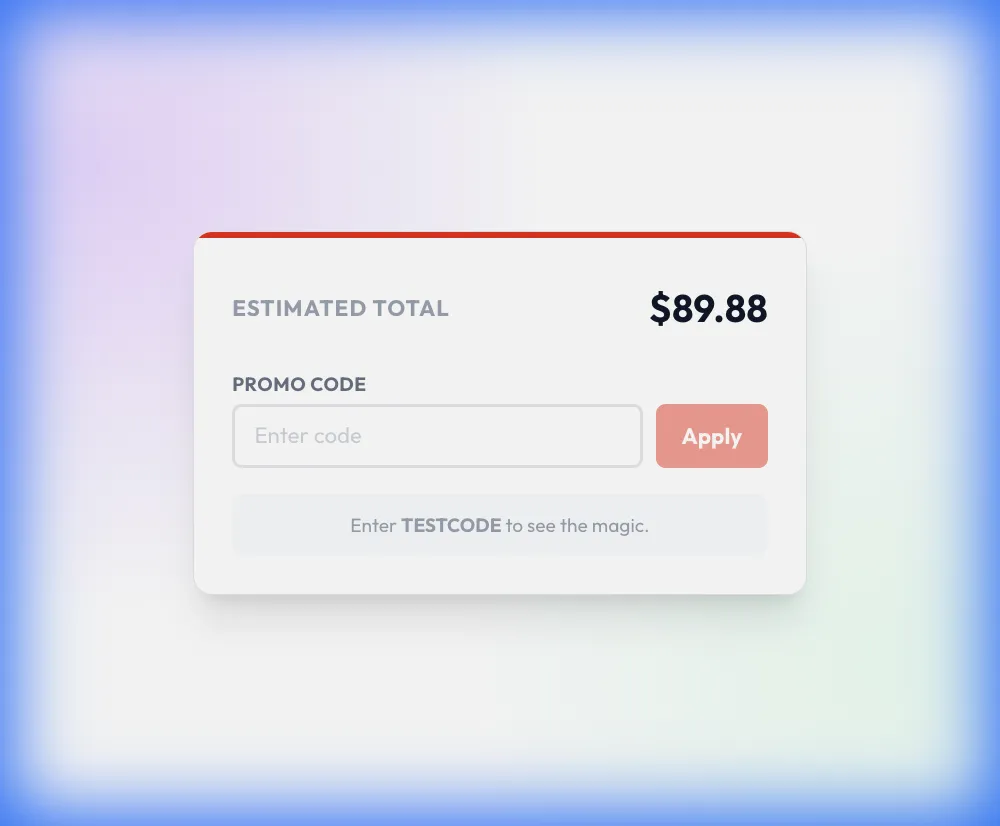
- 3Apply at checkoutNow head over to PostOwl's site. Pick your Personal Blogging plan. Checkout page has a "Promo Code" field. Paste what you copied there.

Customer Reviews
No ratings yet
Be the first to rate this store
Login to Rate & Review
Join our community to verify coupons, earn coins, and help others save.
Sign In / RegisterPostOwl Discount FAQs
You can change your PostOwl password by editing .env.production with a new password and deploying the application again. Initial deployment sets an administrator name, email address and password, separately from the SMTP settings used for email delivery. The website address appears in the terminal after deployment, and sign-in uses the password configured during setup. Password changes involve editing the deployment file and running the deployment command again. Before an update to the technical-preview application, a backup of the database is required. That backup contains all writing and images in one SQLite file. Deploying again is part of the password-change procedure, so editing the file is followed by redeployment.
Scale to zero reduces PostOwl hosting expenses by shutting down the machine when the website is inactive. This behaviour suits low-traffic personal sites and saves electricity as well as costs. The default deployment configuration enables automatic stopping through the auto_stop_machines setting, with a value of true. Before the machine stops, the application closes its database connection and shuts down its server gracefully. The writing software itself is available for free self-hosting and stores its content in SQLite. Deployment still requires technical knowledge, and using the application requires a website running that software. Keeping automatic stopping enabled preserves the cost-saving behaviour of the default configuration.
PostOwl’s hosted version is coming soon, while the available application is a technical preview for self-hosting. The self-hosted software is free and requires your own website running PostOwl. Some technical knowledge is needed to deploy that site and make it live on the web. Setup includes administrator credentials, a database path and a site origin, with SMTP settings for sending email notifications. The completed deployment displays its website URL in the terminal, and the configured password is used to sign in. Signed-in actions are available through the menu at the top right of the screen. The newsletter carries the hosted-version launch announcement when that version is ready.
PostOwl’s free self-hosted application combines public blogging, privately shared letters and a personal journal on your own website. Public posts work as a blog, while shared letters use secret links that friends can open and email notifications for those friends. Journal or diary posts are private, keeping that writing alongside the other content within the application. In-place editing allows changes directly on the site, and the editor supports Markdown in addition to controls at the top of its window. RSS feeds, search and email notifications are further features. Keyboard shortcuts work for signed-in users. All content, including images, resides in a single SQLite file, so a database backup preserves the website’s writing and images together.
PostOwl’s free offer is accessed by deploying its open-source application on your own website. The home-page link Deploy your own PostOwl starts that route, and the software is in technical preview with technical knowledge required for deployment. Setup uses an application name plus administrator name, email and password settings. The database path and site origin are configured alongside SMTP details, which can contain dummy values when email sending is unnecessary. After deployment, the terminal shows the website URL and the administrator signs in with the configured password. The application’s signed-in actions are in the menu at the top right. A custom domain or subdomain you own can be connected after the application is deployed.
PostOwl’s free self-hosted application can run on a domain or subdomain you own. Deployment creates the application first, with a custom domain connected afterwards. Domain setup begins by obtaining the application’s IPv4 and IPv6 addresses and adding corresponding A and AAAA records through the DNS provider. The domain instructions also update the ORIGIN secret. Administrator credentials are configured during deployment, and the website is accessed using the password set for the application. Those credentials include the administrator name and email address, separately from the SMTP settings used to send email notifications. The domain connection belongs to the self-hosting setup, which requires technical knowledge. The initial application name must be unique.
PostOwl can run with dummy SMTP settings when you do not need to send emails. The free self-hosted application supports public blogging, privately shared letters and journal posts on your own website. Email notifications are used when sending letters to friends, so sending those notifications requires email configuration. During deployment, the SMTP settings include a server address, port, username and password. Administrator name, email and password settings are configured separately from those mail-delivery details. The completed deployment displays the site URL in the terminal, and the configured administrator password is used to sign in. Dummy SMTP values allow the application to run when sending email is unnecessary.
Updating PostOwl’s free self-hosted application requires obtaining the latest software release and deploying the changes. The application is in technical preview, and a database backup is required before updating. Existing deployments are updated by pulling the latest changes into the local application files and deploying again. When an update changes the database schema, a script is provided to update the database. Update instructions are also shared through the blog and newsletter. All content, including images, is stored in a single SQLite file, making that file the content backup for the site. A saved database backup can recreate the website after a problem and preserves the content before deployment changes.
A database backup protects the content of your free self-hosted PostOwl website before a software update. All writing and images are stored in a single SQLite file, and that database can recreate the site after a problem. Backups are a manual process: a remote database snapshot is created and the database is downloaded to a local file. An optional integrity check is included in the snapshot sequence, and the downloaded backup can be run locally to check its validity. Restoration requires preventing writes to the application, copying the saved file back and restarting the app. The site may be unavailable for a few minutes during restoration. A checked local database copy provides the backup needed before updating the technical-preview application.
PostOwl’s newsletter announces the hosted-version launch and shares news about the application. Its signup form contains First Name and Email address fields, with a Subscribe button to submit the form. Subscribers can unsubscribe at any time, and their email addresses are not shared with anyone else. The hosted version is coming soon, while the available software can be self-hosted for free. That technical-preview application requires deployment knowledge and a website running PostOwl. The newsletter also carries update instructions, alongside the blog, for people maintaining an existing deployment. Launch news and software-update information therefore reach the same newsletter subscription, which can be ended whenever the subscriber chooses.